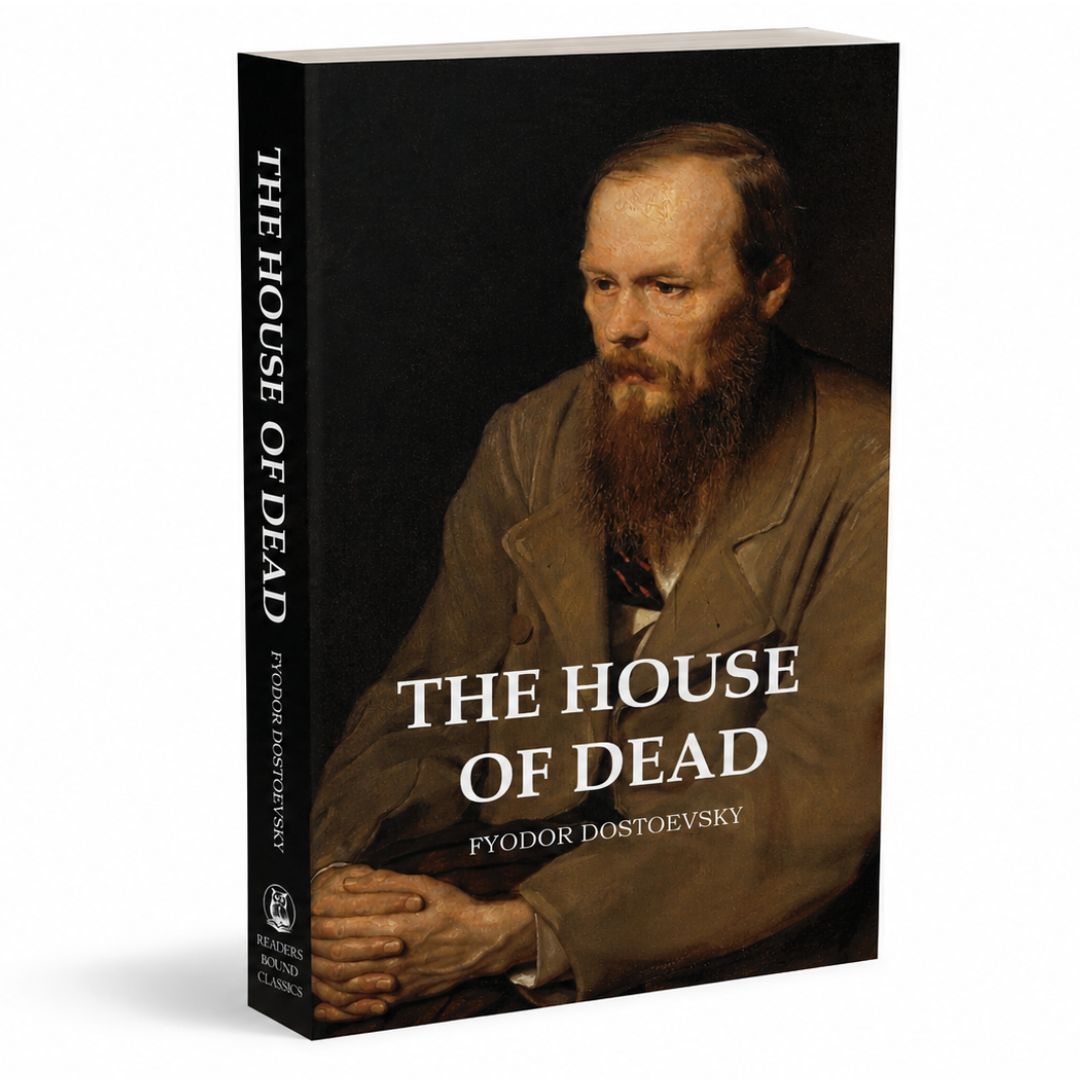
The House of the Dead by Fyodor Dostoyevsky
The House of the Dead by Fyodor Dostoevsky is a powerful semi-autobiographical novel inspired by the author’s own imprisonment in a Siberian penal labor camp. Regarded as one of the earliest and most influential works of prison literature, the novel offers a deeply moving portrayal of life behind prison walls, revealing the hardships, suffering, and resilience of those condemned to forced labor. Through vivid storytelling and keen psychological insight, Dostoevsky transforms his personal experiences into a timeless exploration of humanity under extreme conditions.
The story follows Alexander Petrovich Goryanchikov, a nobleman serving a lengthy prison sentence in Siberia, as he observes the lives, personalities, and struggles of his fellow prisoners. Rather than focusing solely on punishment, the novel examines the complexities of human nature, dignity, redemption, freedom, guilt, and hope. Dostoevsky presents each prisoner as a unique individual, demonstrating that compassion and humanity can endure even in the harshest circumstances.
Celebrated for its realism, emotional depth, and philosophical reflection, The House of the Dead remains one of Dostoevsky’s most significant works. It offers readers a profound understanding of justice, suffering, and the resilience of the human spirit, making it an essential read for admirers of Russian literature, classic fiction, and thought-provoking literary masterpieces.


Reviews
There are no reviews yet.